Calli: A Handwritten Font That Elevates Editorial Design
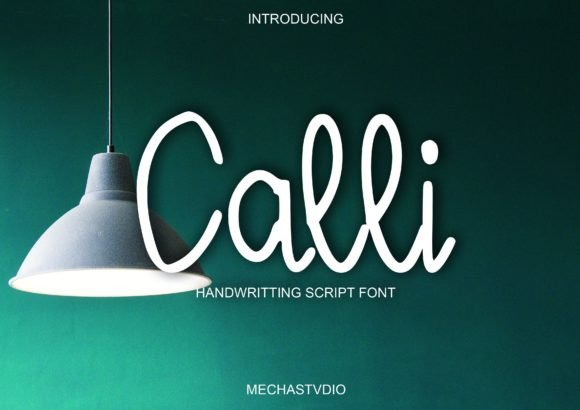
There’s a quiet magic in the right font choice. I remember one afternoon, while redesigning the header for a lifestyle blog, I stumbled upon Calli. It felt like finding just the right pen to write a letter that would carry warmth and personality. Calli is a beautiful and light handwritten font with a unique feel and a stunning impact. It has this natural rhythm, as if it were drawn by hand with care and intention, making it an ideal companion for editorial projects that seek a personal touch.
The Visual Character of Calli
Calli carries a soft, organic energy that feels both modern and timeless. Its strokes are fluid yet deliberate, giving it a sense of movement without being overly ornate. The font exudes a calm confidence—perfect for titles, pull quotes, or any text that needs to stand out while maintaining readability. Its light weight ensures it doesn’t overwhelm the page, but instead adds a gentle spark to whatever design it touches.
What makes Calli especially appealing is its ability to convey emotion through typography. It works well in layouts where the tone is warm, inviting, or introspective. Whether it’s a wedding guide, a coaching workbook, or a digital magazine cover, Calli brings a sense of authenticity that can be hard to achieve with more rigid typefaces.
Real-World Use Cases for Calli
I recently used Calli in a recipe ebook project, and the results were remarkable. For chapter openers and section headings, the font added a personal, handwritten feel that complemented the cozy, home-cooked vibe of the content. It wasn’t just about aesthetics—it helped shape the mood of the entire publication. Readers could almost imagine the author writing the recipes by hand, adding a layer of intimacy that elevated the reading experience.
In another case, I tested Calli for a newsletter header. The contrast between the handwritten title and the clean sans serif body text created a balanced visual hierarchy. The font drew attention without overshadowing the message, which was crucial for maintaining reader engagement. It worked equally well in print and on screen, proving its versatility across formats.
For pull quotes in an editorial feature, Calli provided a subtle emphasis that felt intentional rather than forced. It gave the text a sense of importance while keeping the layout from feeling cluttered. This made it a great fit for articles that needed to highlight key insights or quotes without disrupting the flow of the content.
Readability and Practical Considerations
While Calli excels in display text, it’s important to consider its limitations. As a script handwritten font, it may not be suitable for long-form content or small captions where clarity is essential. Dense paragraphs or formal reports might require a more structured typeface for better legibility. However, when used appropriately, Calli enhances the overall readability of a layout by guiding the reader’s eye through the content with visual interest.
When pairing Calli with other fonts, I found that combining it with a clean sans serif font like Helvetica or Arial for body copy created a strong editorial balance. For decorative accents or headers, a serif font such as Georgia or Times New Roman offered a classic contrast that reinforced the publication’s identity. This thoughtful font pairing helped maintain consistency while allowing Calli to shine in its intended roles.
Before using Calli in commercial projects, it’s worth checking the included styles, alternates, ligatures, weights, and multilingual support. Also, ensuring the font license covers the intended use—whether for ebooks, templates, printables, or digital downloads—is crucial for avoiding any legal issues down the line.
Conclusion
Calli is more than just a font; it’s a tool that can shape the mood, tone, and identity of a publication. Its natural, handwritten aesthetic makes it a perfect fit for editorial designs that aim to connect with readers on a personal level. Whether you’re working on a blog header, a printable planner, or a course PDF, Calli offers a refined yet approachable style that supports both creativity and readability. When used thoughtfully, it becomes an integral part of the storytelling process, helping to bring your content to life in a way that feels authentic and engaging.